
--
Recently I designed a custom PCB for a low-power IoT sensor node project. The goal was to create a compact, battery-powered device that could monitor environmental conditions and transmit data wirelessly.
The design incorporates an ESP32-C3 microcontroller, various sensors, and power management circuitry all on a 2-layer PCB measuring just 40x25mm.
DESIGN PROCESS
I started with the schematic design in KiCad, focusing on proper power supply design and signal integrity. The ESP32-C3 requires careful attention to the RF section and antenna placement.
Key design considerations included:
• Low power consumption (target: <10µA sleep current)
• Compact form factor for portable applications
• USB-C connector for programming and charging
• Onboard sensors: temperature, humidity, and light
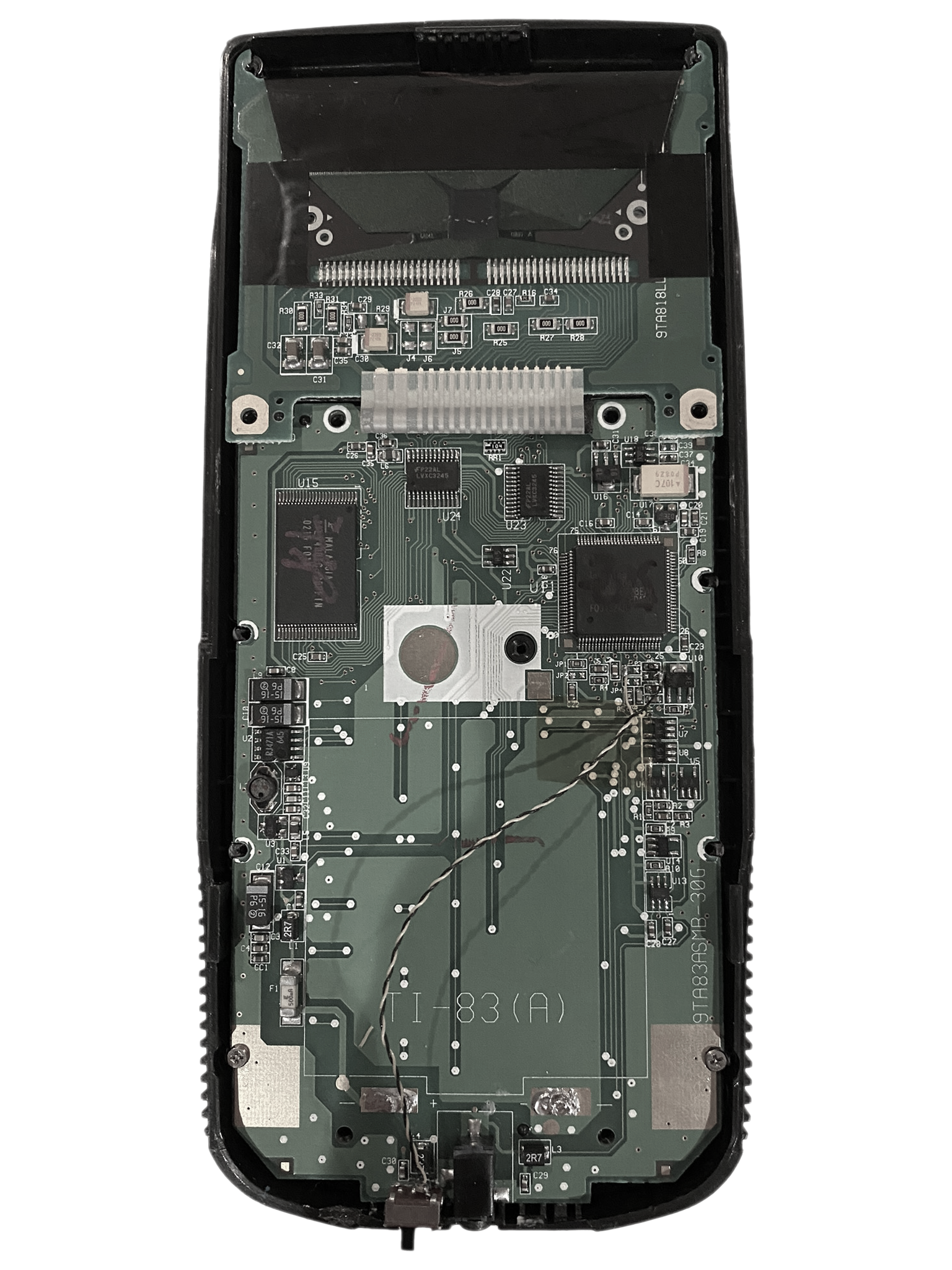
FABRICATION & ASSEMBLY
The PCBs were manufactured by JLCPCB with their standard 2-layer process. I used their SMT assembly service for the smaller components and hand-soldered the larger parts myself.
Testing revealed excellent performance with sleep currents under 8µA and reliable wireless connectivity up to 50 meters in open air.

This project taught me valuable lessons about RF design, power management, and the importance of thorough testing at each design stage.
--
BY MATTHEW DELUNA